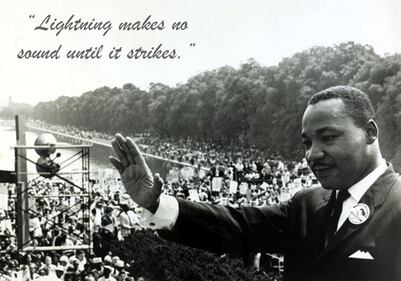
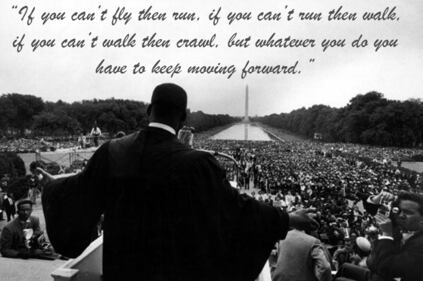
August 1963, Washington DC, Black Civil Rights leader Martin Luther King pictured on the steps of the Lincoln Memorial during the massive demonstration (Photo by Popperfoto/Getty Images)
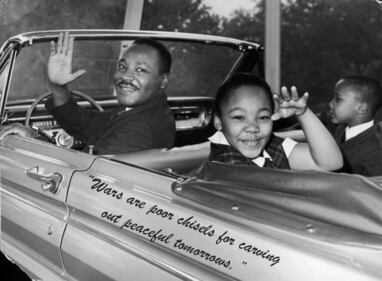
12th August 1964: American civil rights leader Martin Luther King Jr. (1929 - 1968) waves with his children, Yolanda and Martin Luther III, from the 'Magic Skyway' ride at the Worlds Fair, New York City. The ride was a replica of a Ford convertible. (Photo by Hulton Archive/Getty Images)
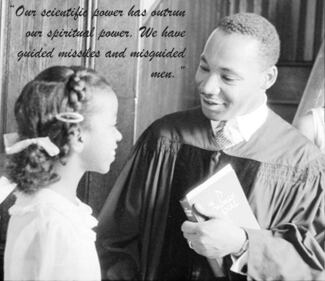
CIRCA 1970: Photo of Martin Luther King Jr. (Photo by Michael Ochs Archives/Getty Images)
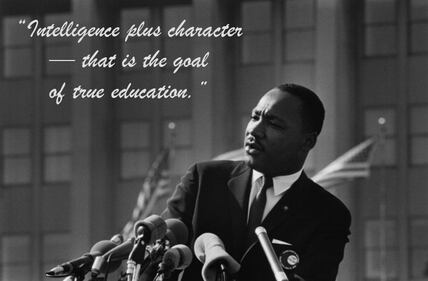
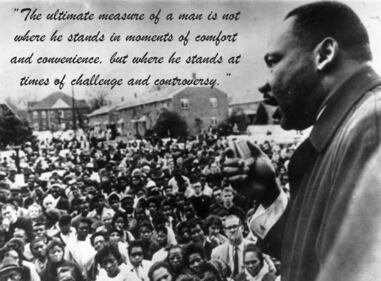
Dr. Martin Luther King makes a speech at the 'Illinois Rally for Civil Rights' at soldier Field on June 21 1964 in Chicago, Illinoiis. The same day of the murders of civil rights workers James Chaney, Andrew Goodman and Michael Schwerner in Philadelphia, Mississippi. (Photo by Ted Williams/Michael Ochs Archive/Getty Images)
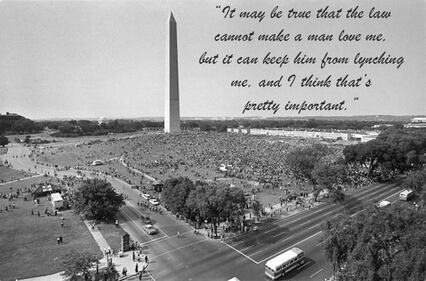
(FILES) More than 200,000 civil right supporters gather 28 August, 1963 on the Mall in Washington DC ( Washington Monument in background) during the "March on Washington", that US civil rights leader Martin Luther King said the march was "the greatest demonstration of freedom in the history of the United States." King delivered his "I have a dream" speech during the rally, which is credited with mobilizing supporters of desegregation and prompted the 1964 Civil Rights Act. 28 August, 2003 marks the 40th anniversary of the speech. King was assassinated on 04 April 1968 in Memphis, Tennessee by James Earl Ray, who confessed to shooting King and was sentenced to 99 years in prison. AFP PHOTO/FILES (Photo credit should read -/AFP/Getty Images)
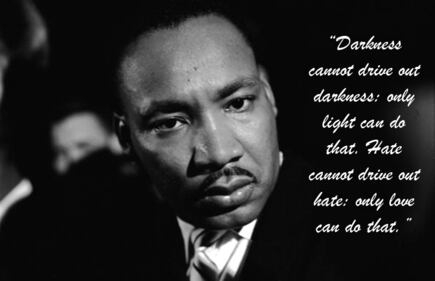
Close-up of American Civil Rights Leader Reverend Martin Luther King Jr. (1929 - 1968) as he attends a rally for Freedom Riders, Jackson, Mississippi, May 1961. The Freedom Riders rode buses throughout the southern United States in the months following the Boynton v. Virginia Supreme Court case, which essentially outlawed racial segregation on public transportation, in order to test and call attention to still existing local policies that ran contrary to national laws. (Photo by Paul Schutzer/Time & Life Pictures/Getty Images)
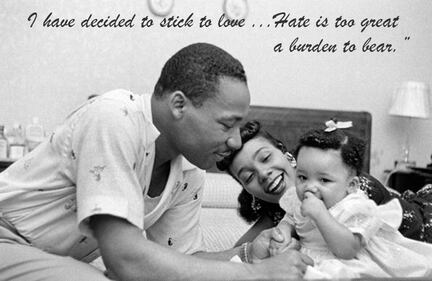
MONTGOMERY, AL - MAY 1956: Civil rights leader Reverend Martin Luther King, Jr. relaxes at home with his wife Coretta and first child Yolanda in May 1956 in Montgomery, Alabama. (Photo by Michael Ochs Archives/Getty Images)
Reverend Martin Luther King Jr. speaking at 'Prayer Pilgrimage for Freedom' at Lincoln Memorial. (Photo by Paul Schutzer/Time Life Pictures/Getty Images)
April 1965: Dr Martin Luther King (1929 - 1968) addresses civil rights marchers in Selma, Alabama. (Photo by Keystone/Getty Images)
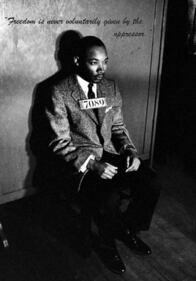
Rev. Martin Luther King Jr., director of segregated bus boycott, with 7080 sign across his chest for police mug shot, sitting on chair against wall in station house after his arrest for directing city-wide boycott of segregated buses. (Photo by Don Cravens//Time Life Pictures/Getty Images)
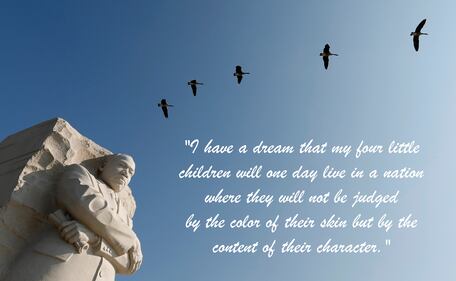
Geese fly over the the Martin Luther King Jr. Memorial in Washington August 20, 2013. The Rev. Dr. Martin Luther King, Jr., delivered his "I have a Dream" speech on August 28, 1963, on the steps of the Lincoln Memorial during the march on Washington for Jobs and Freedom. This coming week, Washington will play host to an array of events marking the historic anniversary.
(REUTERS/Kevin Lamarque)
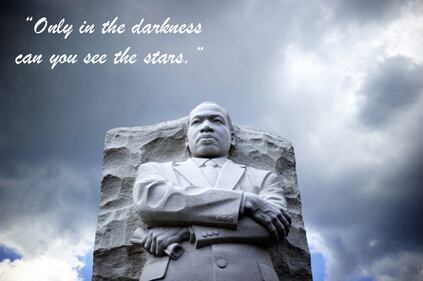
The statue of Martin Luther King Jr. is pictured at a memorial on August 24, 2013, in Washington, DC, as thousands of people gather to commemorate the 50th anniversary of The March on Washington. Tens of thousands gathered on August 24 to mark 50 years since the March on Washington, the civil rights watershed where Martin Luther King Jr famously declared: "I have a dream." The March on Washington is best remembered for King's stirring vision of a United States free of inequality and prejudice, telecast live to a nation undergoing a phenomenal decade of soul-searching, crisis and change. AFP Photo/Jewel Samad (JEWEL SAMAD/AFP/Getty Images)
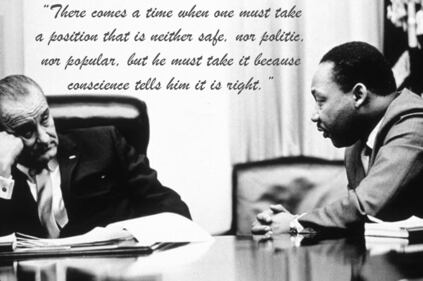
President Lyndon B Johnson (1908 - 1973) discusses the Voting Rights Act with civil rights campaigner Martin Luther King Jr. (1929 - 1968). The act, part of President Johnson's 'Great Society' program trebled the number of black voters in the south, who had previously been hindered by racially inspired laws, 1965. (Photo by Hulton Archive/Getty Images)
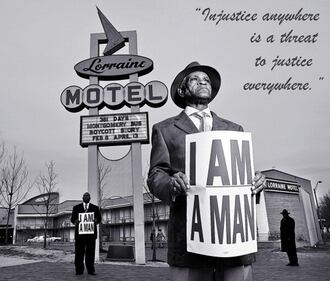
Standing in front of the former Lorraine Motel, the site of Martin Luther King, Jr. assassination on April 4, 1968, Memphis sanitation workers Elmore Nickelberry, 76, center, and his son, Terrence, left, hold a replica of the placard used by strikers in Memphis, Tennessee. (Photo by Carl Juste/Miami Herald/MCT via Getty Images)